Modern Data Modeling

  • Enterprise data modeling with AI
  • Cloud-ready modeling platform
  • Easy graphical data lineage mapping
  • Continous delivery from models to production
  • The replacement for SAP PowerDesigner
Get Started

Use cases

Discover how CrossModel can improve you're data modeling and engineering experience.

Model driven data engineering
CrossBreeze’s Model Driven Data Engineering approach

Model driven data engineering

CrossBreeze’s Model Driven Data Engineering approach streamlines traditional, manual data engineering by using upfront metadata modeling to automatically generate schemas, transformations, and data pipelines.

View use case
Persoon presenteert aan groep voor whiteboard
Data warehousing
Data warehouses power analytics, dashboards, and operational reporting.

Data warehousing

Data warehouses power analytics, dashboards, and operational reporting. Building them effectively requires a clear understanding of how data flows from source systems to curated business views.

View use case
Tablet met diagrammen in magazijn
Enterprise data modeling
Helps organizations manage complexity

Enterprise data modeling

Enterprise data modeling helps organizations manage complexity, align teams, and create consistent definitions across systems.

View use case

Key features

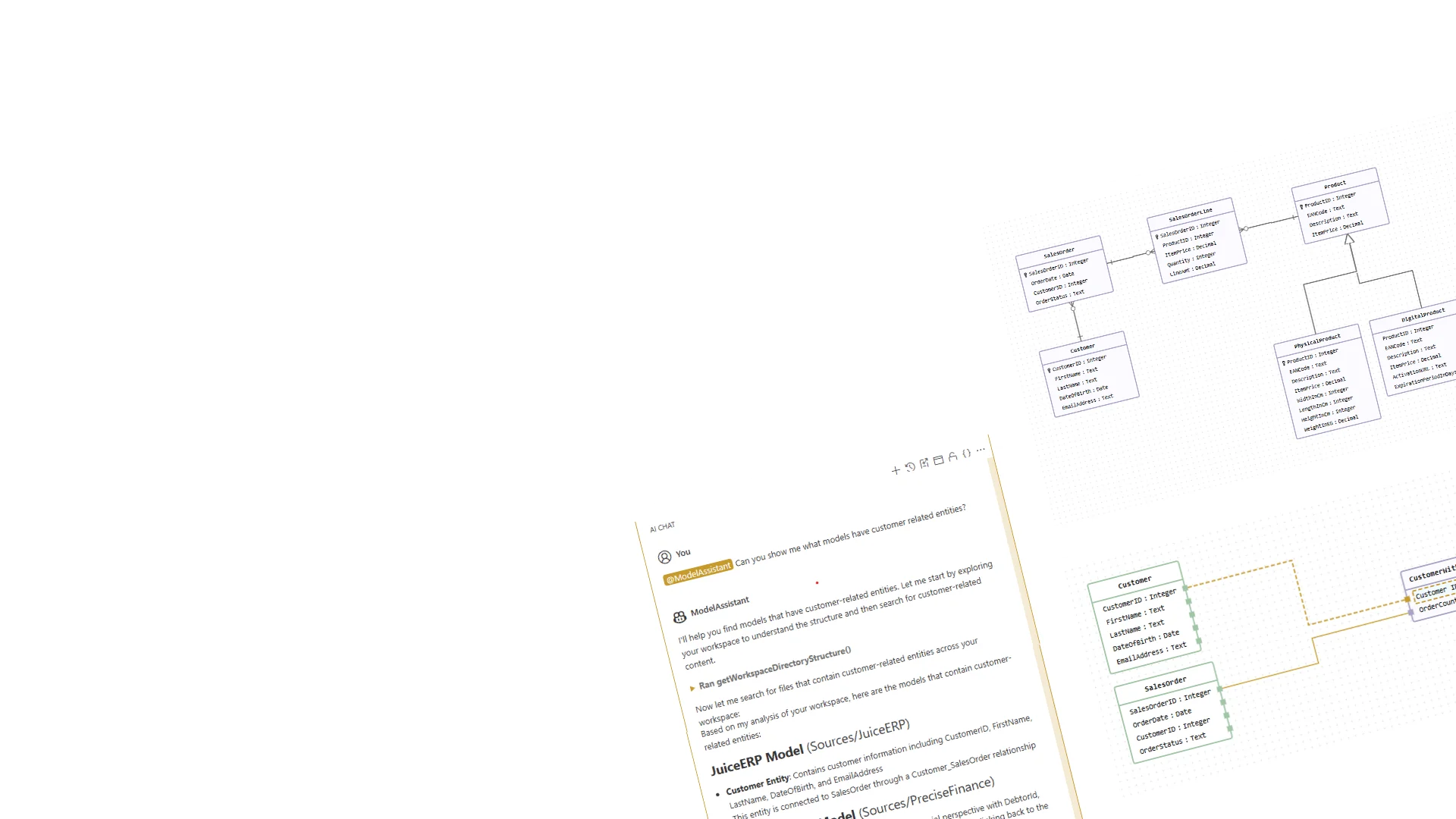
CrossModel lets you design clear, technology‑agnostic data models with ease. Features like data lineage, real-time collaboration, and version control help teams stay aligned, while intuitive tools make even complex models easy to manage.

Integrations

With it’s open architecture, CrossModel integrates with a wide range of other products such as cloud data platforms and enterprise data catalogs.

Editions

Versions of CrossModel

Individual

For small teams and medium-sized projects
  • Logical data modeling
  • Data flow modeling
  • Modeling assistant
    Start free trial

    Team

    For professional teams and large-scale projects
    • Logical data modeling
    • Data flow modeling
    • Modeling assistant
      Start free trial

      Enterprise

      For organizations with advanced needs.
      • Logical data modeling
      • Data flow modeling
      • Modeling assistant
      • Single Sign-on
        Start free trial
        Azure

        Run CrossModel your way in the Azure cloud.

        CrossModel can be hosted directly on Microsoft Azure, giving enterprises the flexibility to align data modeling with their existing cloud strategy. The platform’s open architecture allows seamless deployment using Azure-native tools and services while remaining vendor-neutral. This approach combines the security and scalability of Azure with the independence and interoperability that modern data teams demand.

        Choose Azure. Keep control.

        AWS

        Host CrossModel in your trusted cloud environment.

        CrossModel deploys effortlessly on Amazon Web Services (AWS), enabling customers to take full advantage of AWS infrastructure while maintaining a completely open and portable platform. Built on standards-based technologies, CrossModel ensures freedom of choice and avoids vendor lock-in. Whether managed centrally or as part of a hybrid setup, it delivers enterprise-grade performance with full flexibility.

        Run anywhere. Stay independent.

        Google Cloud Platform

        Deploy CrossModel with freedom and flexibility.

        CrossModel runs seamlessly on Google Cloud, giving organizations the ability to host and manage their modeling environment within their own secure infrastructure. Built on open, vendor-neutral technologies, CrossModel fits naturally into modern cloud ecosystems without proprietary constraints. Customers can scale, manage, and integrate the platform alongside their existing Google Cloud services while maintaining full ownership of their data and configurations.

        Stay open. Scale with confidence.

        Microsoft Fabric

        Turn your models into action inside Microsoft Fabric.

        CrossModel connects directly with Azure Fabric, allowing data modelers to generate fully aligned data structures and transformation logic. Entities become tables, and lineage mappings are transformed into Fabric pipelines, notebooks or views, turning logical models into executable components. This integration ensures that the data architecture built in CrossModel is faithfully implemented in your Fabric environment, accelerating delivery and maintaining governance consistency.

        Model once. Deploy everywhere.

        Databricks

        From logical models to executable data pipelines.

        CrossModel integrates with Databricks to bridge the gap between design and implementation. Logical entities can be generated directly into Databricks as tables, while data mappings and transformations can be realized as views or notebooks. This integration enables data modelers to move seamlessly from data architecture to operational pipelines, ensuring that design decisions translate into consistent, governed data flows within the Databricks environment.

        Design with clarity. Deliver with Databricks.

        Dbt

        Generate dbt models directly from your data designs.

        CrossModel integrates natively with dbt, transforming logical models and mappings into executable dbt models that can be versioned, tested, and deployed as part of your analytics workflow. This lets data modelers define transformations logically in CrossModel, then generate production-ready code that aligns perfectly with organizational standards. The result is faster delivery, fewer manual steps, and consistent, well-documented dbt projects.

        Model in CrossModel. Build in dbt.

        Collibra

        Bring modeling and governance into a single, connected workflow.

        CrossModel integrates directly with Collibra, making it easy to associate your modeled entities and relationships with governed data assets and business terms. This connection enables a continuous feedback loop between model design and governance oversight. Data modelers and data stewards can work in sync, ensuring that every modeled concept reflects shared understanding, ownership, and compliance standards across the organization.

        Connect models to context. Build trust in data.

        Microsoft Purview

        Unify your data models with enterprise metadata.

        CrossModel integrates seamlessly with Microsoft Purview, connecting logical data models to the governed metadata framework that powers your organization’s data estate. Model elements such as entities and attributes can be linked directly to business terms and data assets in Purview, creating a unified view across modeling and governance. This ensures alignment between design intent and operational reality, helping data modelers and governance teams keep definitions consistent and transparent.

        Align design with governance. Strengthen your data estate.